What Is Twang & How To Use It Without Sounding Nasal
Twang gets talked about a lot—but it’s also often misunderstood.
Some singers avoid it because they assume it’s all about sounding brassy or harsh. But that’s not what twang actually is. At its core, twang is an acoustic tool. It gives your voice clarity, brightness, and power—without needing to push or overwork.
And it’s not just for big belters, character voices or country singers. You can use it subtly or boldly, depending on the sound you want. Think of it as a brightness dial, not a switch.
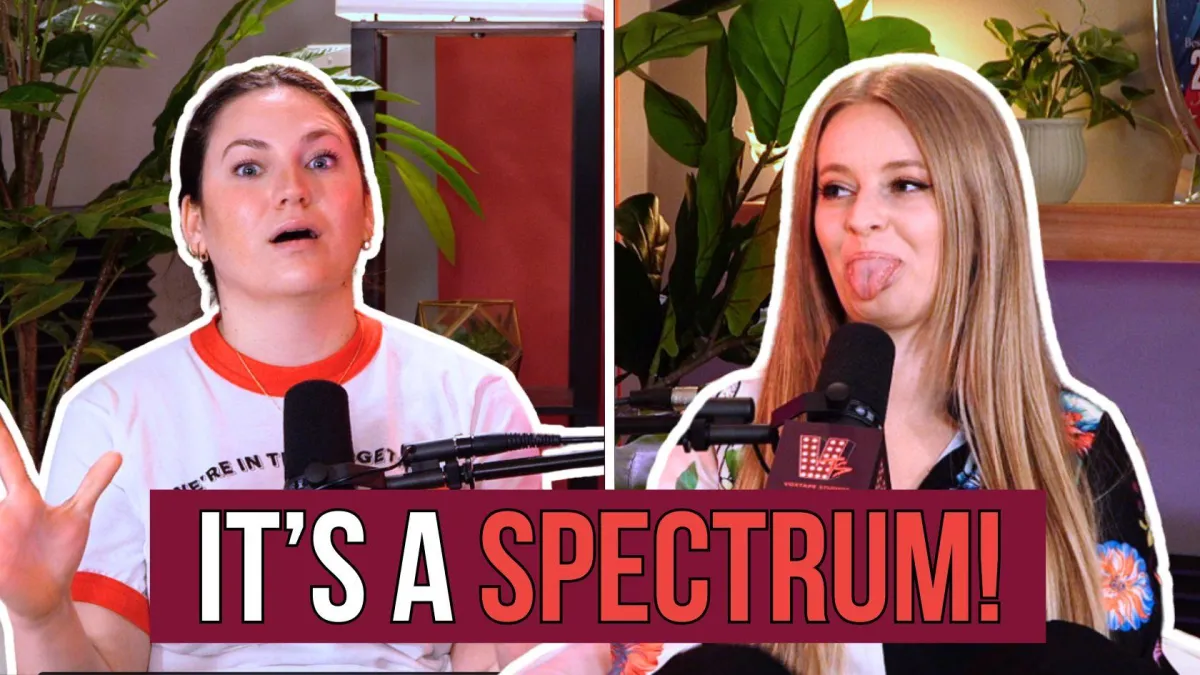
I sat down with Coach Emily to break down exactly what twang is, where it lives in your voice, and how to control it intentionally—especially in mix or higher notes. We also covered a few common misconceptions (yes, including the nasal thing) and shared some practical ways to explore twang for yourself.
If you’ve ever wanted more presence in your voice—without more strain—this is one of the most helpful tools you can learn.
Okay, So What Is Twang?
Here’s the simplest way I can put it:
Twang is an acoustic tool and shapes your tone.
When twang happens, the space in your vocal tract—specifically the AES (aryepiglottic sphincter)—narrows a bit. It’s like a natural amplifier. The sound gets brighter and more focused without you having to muscle your way through it.
And it’s not all or nothing. Think of it like a brightness dial. You can turn it up, down, or keep it somewhere in the middle depending on what you’re singing.
“You don’t need to sing at an 11,” Emily said. “Sometimes a 6 sounds better and feels easier.”
Custom HTML/CSS/JAVASCRIPT
Let’s Talk About The “Nasal” Thing
I know, I know. The second people hear the word “twang,” they think nasal. Here’s the truth: Twang is not nasality. Yes, you might feel some vibrations in your nose. But that doesn’t mean you’re singing through your nose.
We actually demoed this using “Hopelessly Devoted To You”—one version with intentional nasality, and one with twang. They sound completely different, and once you hear it, you can’t un-hear it.
So if you’ve been avoiding twang because it “sounds nasal”, you might have to practice twang with a closed nose to help making it not nasal. One of my favorite ways to get the sound - including with twang - out of the nose is by doing a sheep bleet on “bäh”. The “b” sound will automatically get you out of your nose.

Finding Your Twang: A Few Weird (But Awesome) Tricks
The only way to really get twang is to experiment.
It’s not about sounding like a cartoon character (though a little “witch laugh” can help you find it). It’s about exploring different shades of brightness and learning to control them.
Here’s what helped:
Try a baby cry, sheep bleet or a bratty “nyaa” to feel high twang
Make a scrunchy face and say “Eee”—see what changes
Stick your tongue out (seriously—it helps release the root)
Sing a phrase on “Aaah” and explore different levels of brightness. You can also use your facial muscles to help change the tone!
Use the “twang-o-meter”—go from 1 to 10 on the same note and feel the difference
One of my favorite moments was when Emily said, “It’s okay if it feels boring or slow. That’s where real change starts.” Take your time with it and really explore the different sounds your voice can create!
Where To Use Twang (And When To Hold Back)
Twang is amazing for:
Staying chest-dominant without overworking
Getting your mix to cut through (hello mix-belt!)
Adding clarity to high notes without belting
Making softer phrases shimmer a little more
It’s also great in pop, rock, country, musical theatre—you name it. But not in classical music, ok? 😉
But here’s the key: you don’t have to twang everything. You’re not trying to sound like a witch the whole song (unless you’re in Wicked, and then—go off). This is about using brightness as a color in your palette. Use more for energy. Use less for intimacy. Learn to control the dial.
Final Thoughts: Don’t Knock It ‘Til You Try It
I used to think twang was annoying. Now? It’s one of the most helpful tools I have as a singer. It makes big notes easier. It gives my voice more presence. And most of all—it reminds me that power doesn’t have to feel like pushing.
So if you’ve been avoiding twang because of the name or how it feels? Give it another shot. Play with the sounds. Try the weird faces. Laugh like a cartoon witch. And remember—your voice doesn’t need to fight its way through every song. Sometimes, the easiest way is the right way. 💡
🎧 Want to hear how it sounds in real time?
Listen or watch here
Prefer Listening To The Podcast On Your Favorite Platform? Listen Below.